


Preview of press materials
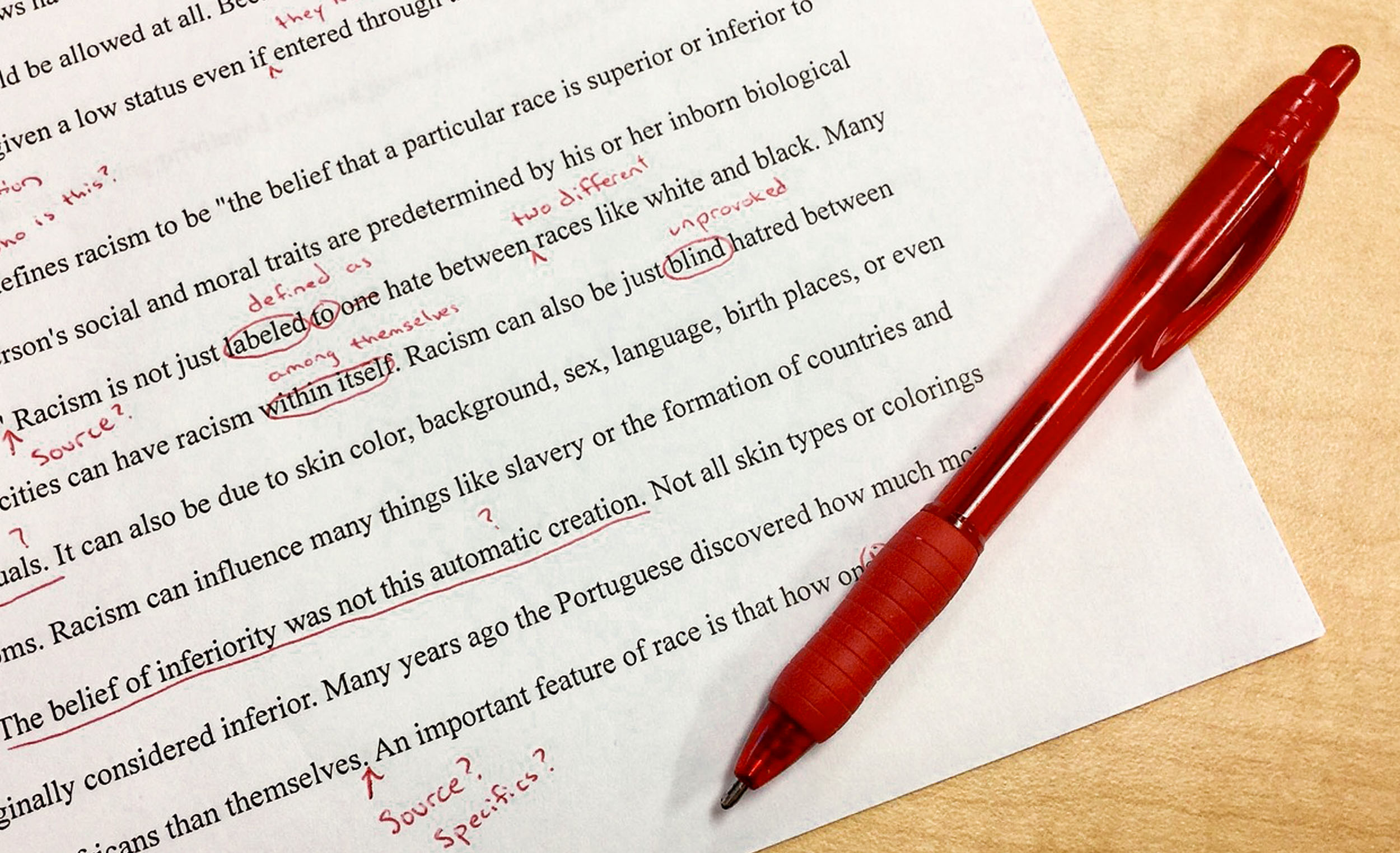
The preview of a press material is an analysis of its content and the work done on its preparation by a journalist, which takes place before the publication of the press material in question. The preview process usually involves the author of the press material himself, a person on behalf of the publisher of the press title in which the press material is to be published, as well as a lawyer with expertise in press law.
The purpose of the preview is to analyze the press material from the point of view of possible risks, in particular the possibility of legal liability of the journalist/publisher for the content of the press material. The preview also serves to make a recommendation in this regard not only on possible risks, but also on possible modification of the content of the press material before publication. A preview analysis of the press material before publication is a tool to more effectively evade legal liability in a possible lawsuit.
Preview is a tool commonly used in modern media, since the publication of press material can result in the journalist incurring not only civil, but also criminal liability. This is especially true of press materials that deal with controversial issues and may be perceived by others as infringing on their legally protected interests.
The content of the published press material may result in a lawsuit for protection of personal rights by the entities whose actions are described in it. The defendant in such a suit may be either the author of the press material, the editor or another person who caused the press material to be published. The publisher himself may also be liable.
In the context of a possible lawsuit for protection of personal rights, it is the defendant who bears the burden of proving that the press material in question did not unlawfully violate the plaintiff’s personal rights. Preview thus makes it possible to identify potential risks “at the outset” and to draw a line of defense. As a rule, the flagship factor proving the absence of unlawful violation of personal rights is to show that the content of the press material was objectively true (for example, it was truthfully written that a well-known politician took so-called “bribes”). The journalist’s behavior at the stage of collecting and using the material is also important. If the journalist demonstrates that he acted in defense of a socially legitimate interest and exercised special care and diligence (e.g., drew information from reliable and diverse sources of information, which he verified with each other) then, as a consequence, he will not be held liable for infringement of personal rights. It is therefore crucial to analyze this issue with the help of a lawyer already at the preview stage.
The publication of press material can also become a cause of criminal liability for the journalist, particularly in the context of committing the crime of defamation. As in the case of personal property cases, it will be crucial for a journalist to avoid criminal liability to show that the content of the press material is objectively true and, moreover, serves to defend a socially legitimate interest or concerns the conduct of a person performing a public function.
Notwithstanding the above, it should be remembered that the press material may give rise to a rectification case, in which the editor-in-chief of the press title in question would be the defendant. However, the rectification can only concern the facts indicated in the press material. A preview may be helpful in this regard not only in analyzing the behavior of the journalist preparing the press material, but also with regard to possible modification of the content of the material (e.g., by putting certain claims in the form of assessments/opinions, rather than categorical facts, to prevent the effective initiation of a rectification case).